
ScoreMasters®

MIDI to Score

A MIDI or DAW project file into session-ready sheet music, score and parts.

from mockup to music stand

  • Converting MIDI to score since 1998
  • Performed by the Sofia Amadeus Orchestra
  • Released on BMG, Universal, Polydor
Why It Matters

Two Languages, One Piece of Music

A MIDI file records pitch, position, duration, velocity, and controller data with complete precision. What it does not carry are many of the things a musician reads on the page: bowings, breath marks, phrasing, written dynamics, performance markings. Velocity is not a dynamic and controller data is not a phrase. Notation is a different language, one that has to communicate intention, balance, and structure at sight, under pressure, to anything from a chamber group to a full symphony orchestra. Converting between the two is not a one-to-one operation, and that is the single most common misunderstanding about MIDI to sheet music.

We have offered MIDI to professional notation since 1998, and the work is the same whether the source is a solo piano sketch or a hundred-track orchestral template. We ask for a complete DAW session, typically Logic Pro or Cubase, with audio stems and a stereo reference mix, or a MIDI export delivered with those same stems and mix. From there we verify the data against what you approved, check the tempo map and time signatures against what an ensemble will have to read, clean the MIDI where it needs it, and build the score in Dorico Pro, or in Sibelius Ultimate when your workflow calls for it. Then comes the part that matters: dynamics and articulations written in properly, doublings reduced to what the ensemble needs, lines that cannot be played as programmed redistributed or dovetailed so wind players can breathe, divisi resolved against the section sizes you have actually booked, and page turns, rehearsal letters, cue notes, and transpositions handled before anyone opens a part. Your music is not rewritten. It is translated. You receive print-ready score and parts plus a complimentary audio mockup.

Past work includes MIDI to professional notation for the concerts and album recordings of composer and pianist Stefanos Korkolis, the book release of Martin Mayer’s The Solo Piano Collection, and projects for Michael Karras, Brigid Boden, Kitt Wakeley, Time Wanderer, Mimis Plessas, Haris Alexiou, Alkistis Protopsalti, and Thanasis Nikolakopoulos. A MIDI conversion is often one step in a longer job rather than the whole of it: Orchestration & Arranging when a passage needs new material or a different ensemble, Music Engraving & Score Preparation when the result is heading for publication, Music Transcription when part of the source exists only as audio, or AI Music to Score when the music came from Suno, Eleven Music, Mureka, or AIVA.

Selected Works

See the session, read the score.

When A Dream Comes True

The symphonic version of When A Dream Comes True, by the internationally acclaimed composer and concert pianist Stefanos Korkolis. ScoreMasters® was commissioned to transform the MIDI production into a fully notated score and parts. A showpiece of symphonic colors and moods, it is scored for Picc., 2 Fl., 2 Ob., E. Hn., 2 Cl., B. Cl., 2 Bn., C. Bn., 4 Hn., 3 Tpt., 3 Tbn., Tba., Timp., Perc., Cel., 2 Hp., and Strings. Performed by the Bulgarian National Radio Symphony Orchestra, conducted by Valeri Vatchev.
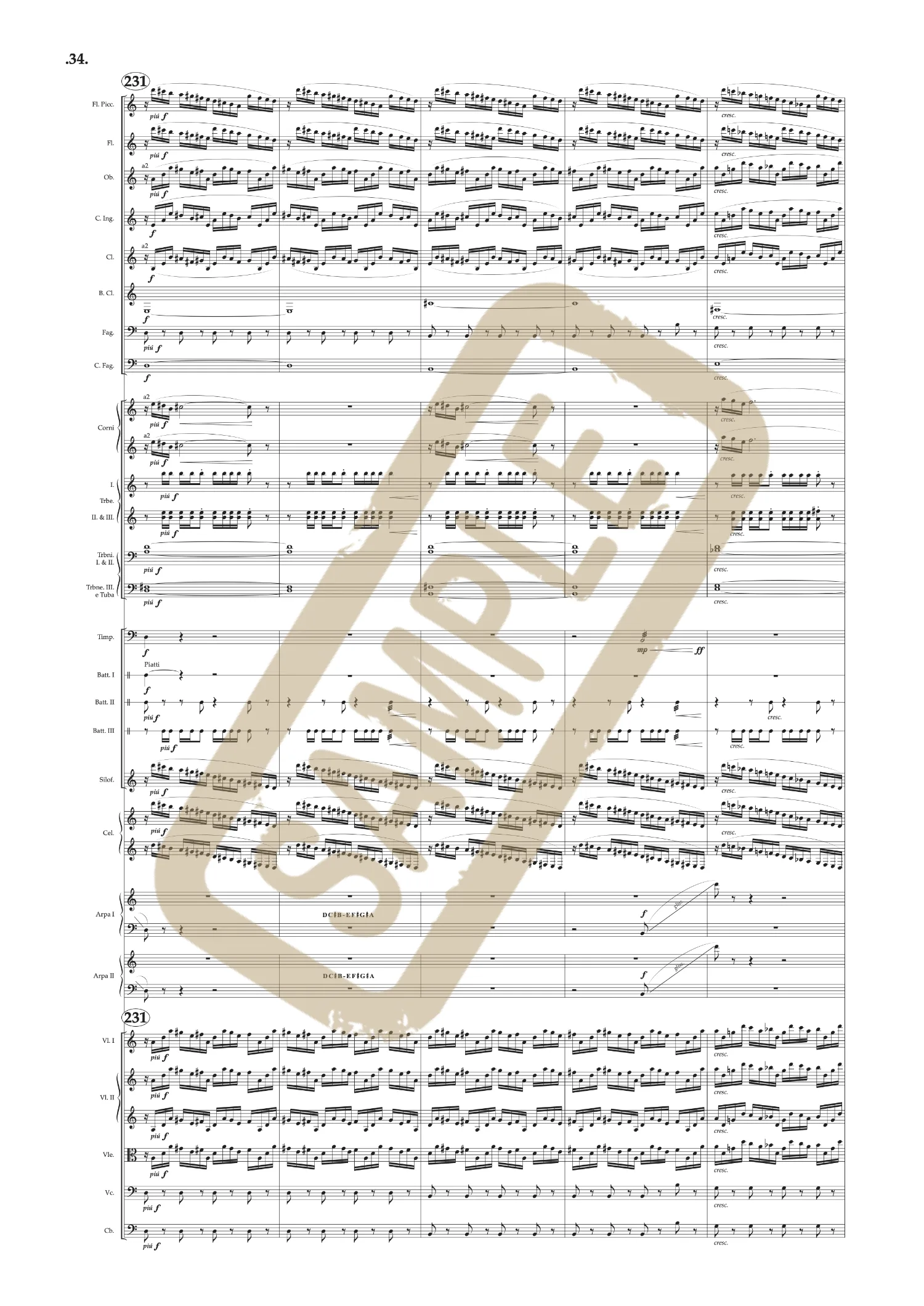
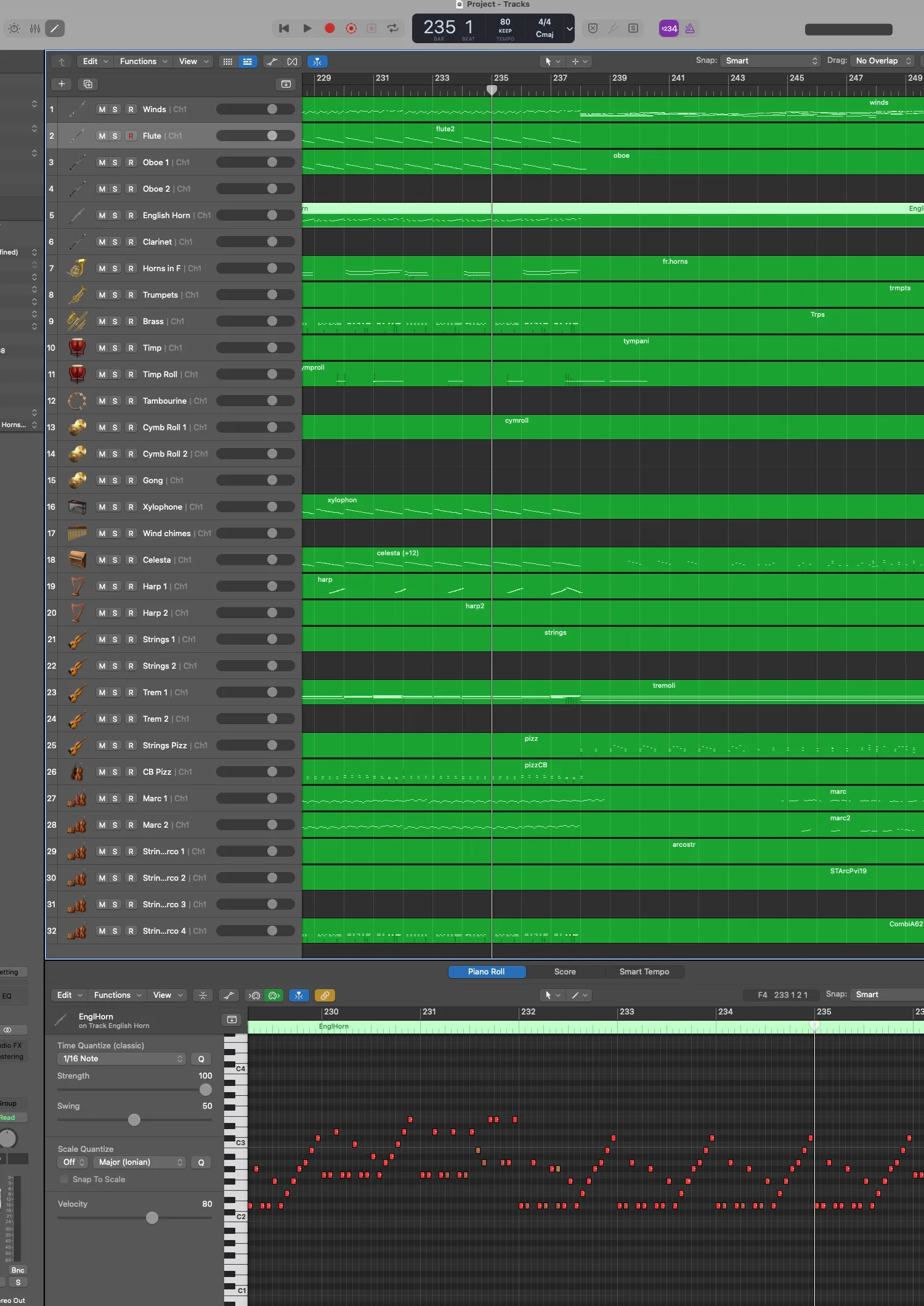
Engraved full orchestral score page of When A Dream Comes True Multitrack MIDI production of When A Dream Comes True open in a digital audio workstation Engraved Score DAW Project
Piano Concerto in B Minor

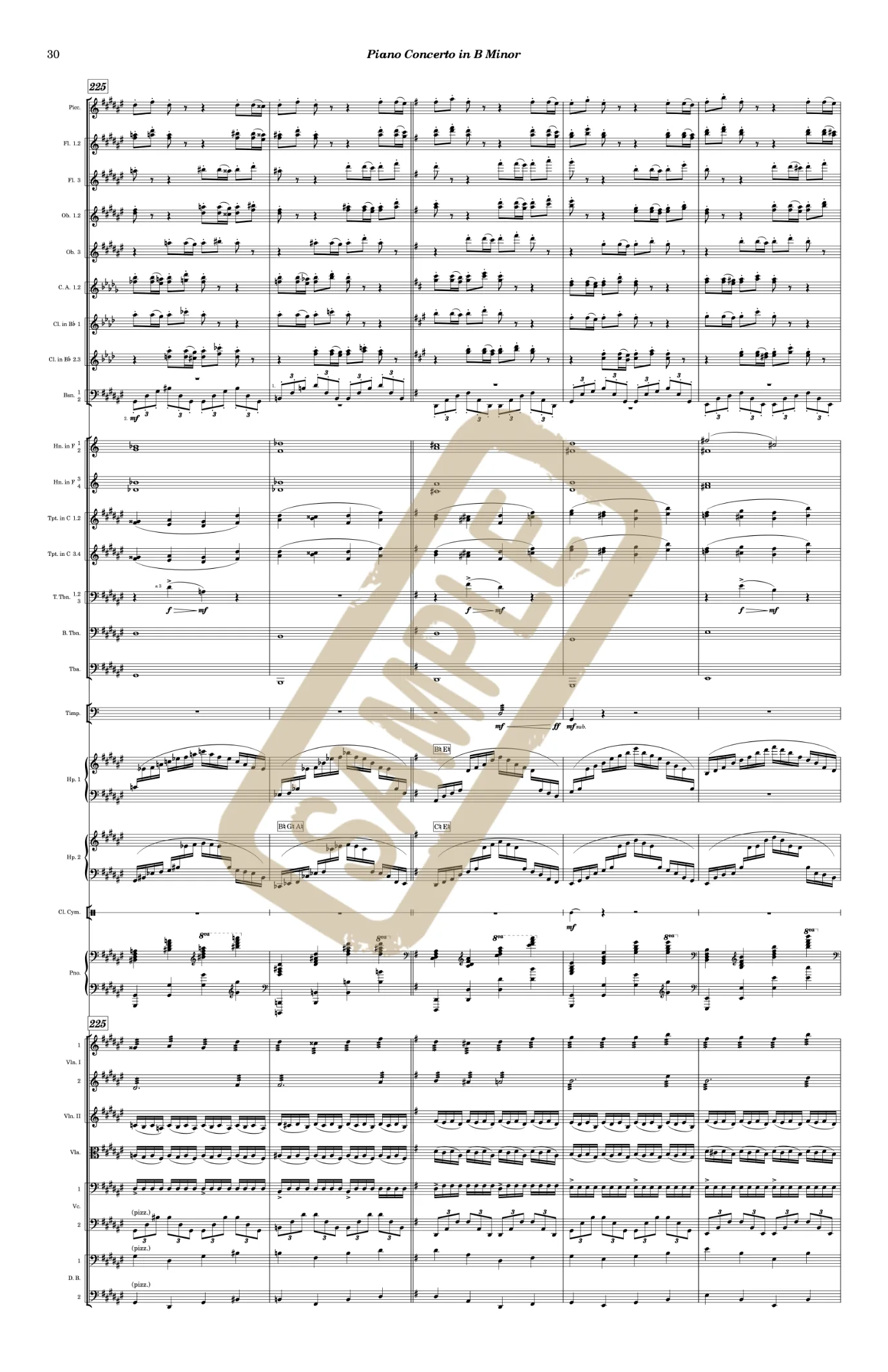
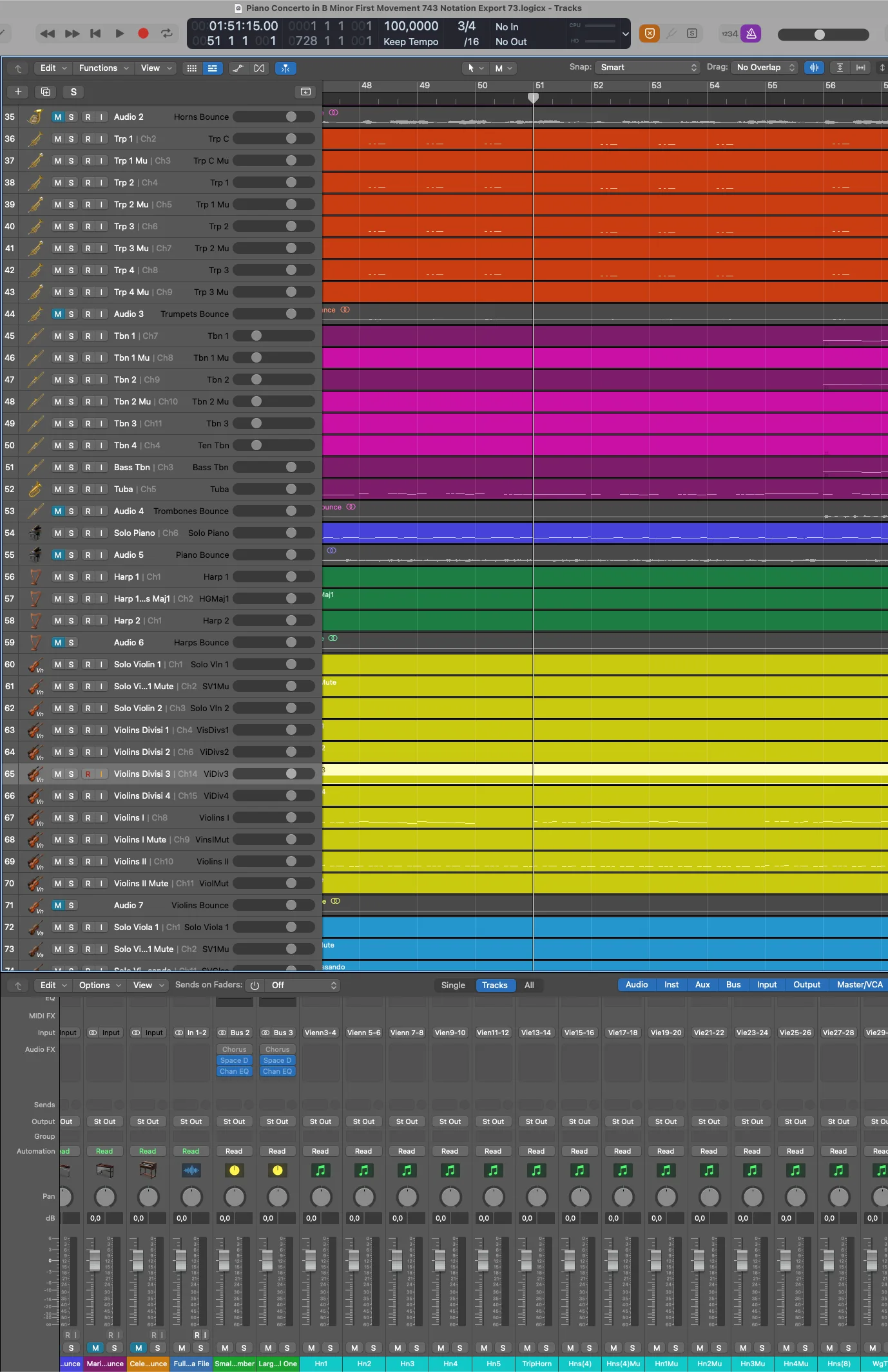
Excerpt from Piano Concerto in B Minor by composer and pianist Time Wanderer, heard here as an audio mockup. A contemporary symphonic work featuring a wealth of inspiring sonic textures, compelling rhythms, and demanding piano passages. Scored for Picc., 3 Fl., 3 Ob., 2 E. Hn., 3 Cl., B. Cl., 3 Bn., C. Bn., 4 Hn., 4 Tpt., 3 Tbn., B. Tbn., Tba., Timp., Perc., Cel., 2 Hp., Pn., and Strings.
0:00 / --:--
Engraved full orchestral score page of Piano Concerto in B Minor MIDI production of Piano Concerto in B Minor open in a digital audio workstation Engraved Score DAW Project
Chronos

Chronos by composer Thanasis Nikolakopoulos, from his instrumental album Adimonio. This inspiring and emotive track is scored for Fl., 4 Hn., Timp., Perc., Pn., and Strings. Performed by the Sofia Amadeus Orchestra.
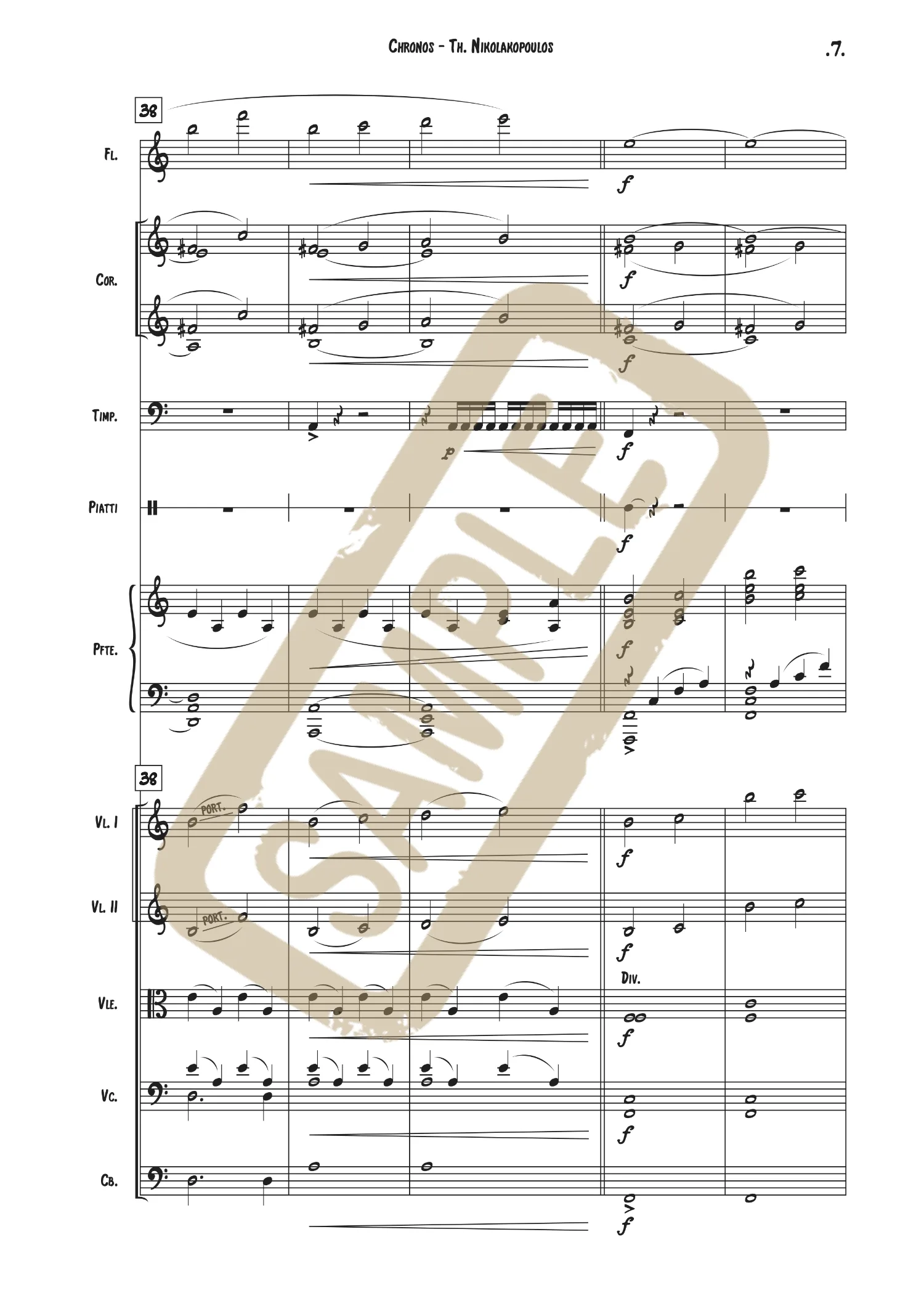
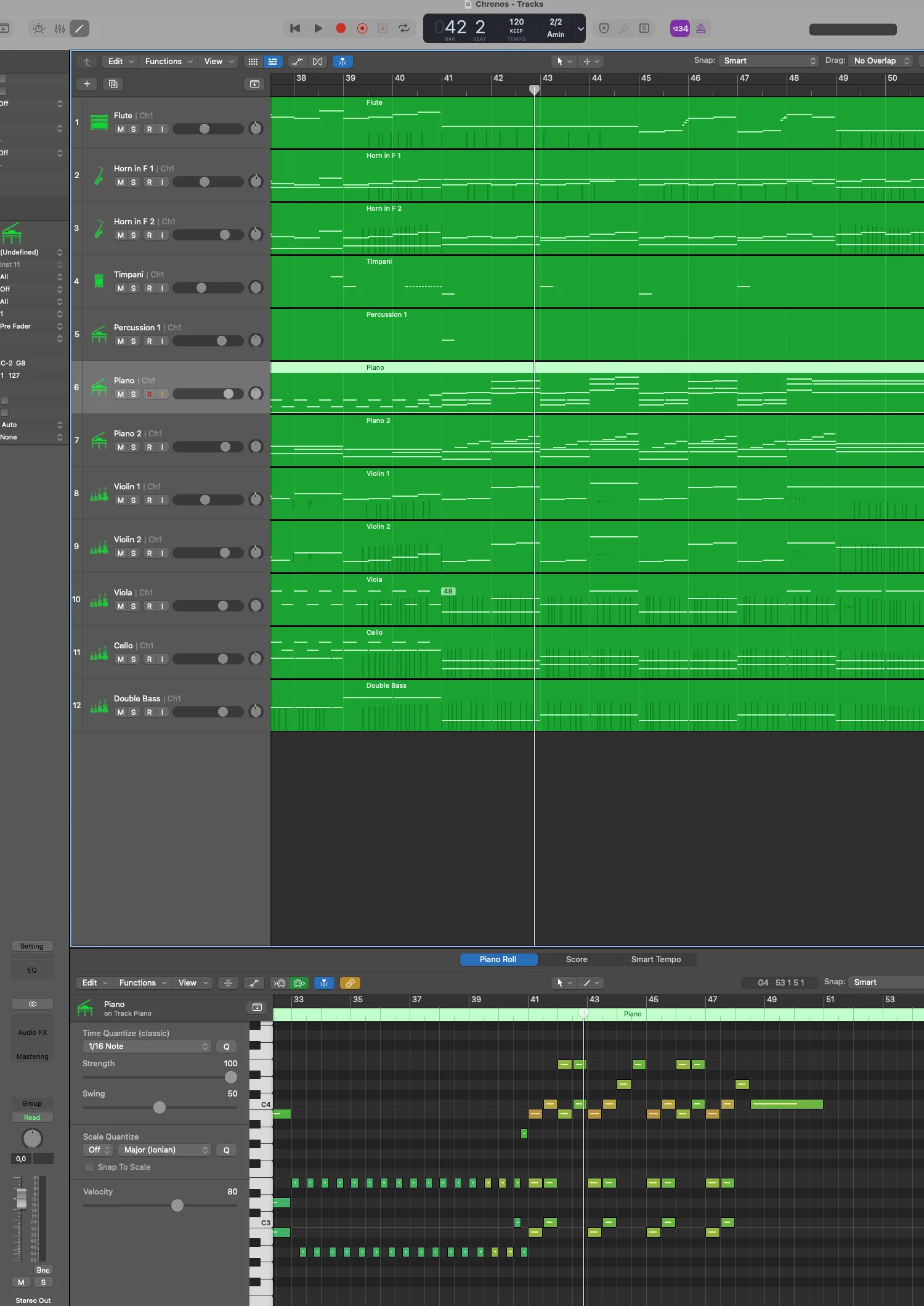
Engraved full orchestral score page of Chronos MIDI production of Chronos open in a digital audio workstation Engraved Score DAW Project
As Tears Go By

As Tears Go By, written by Mick Jagger, Keith Richards, and Andrew Loog Oldham, in a cover version from the Brigid Boden album Innocence Is Not a Crime, scored for Picc., Ob., Cl., 2 Hn., Timp., Perc., Hp., and Strings. Performed by the Sofia Amadeus Orchestra.
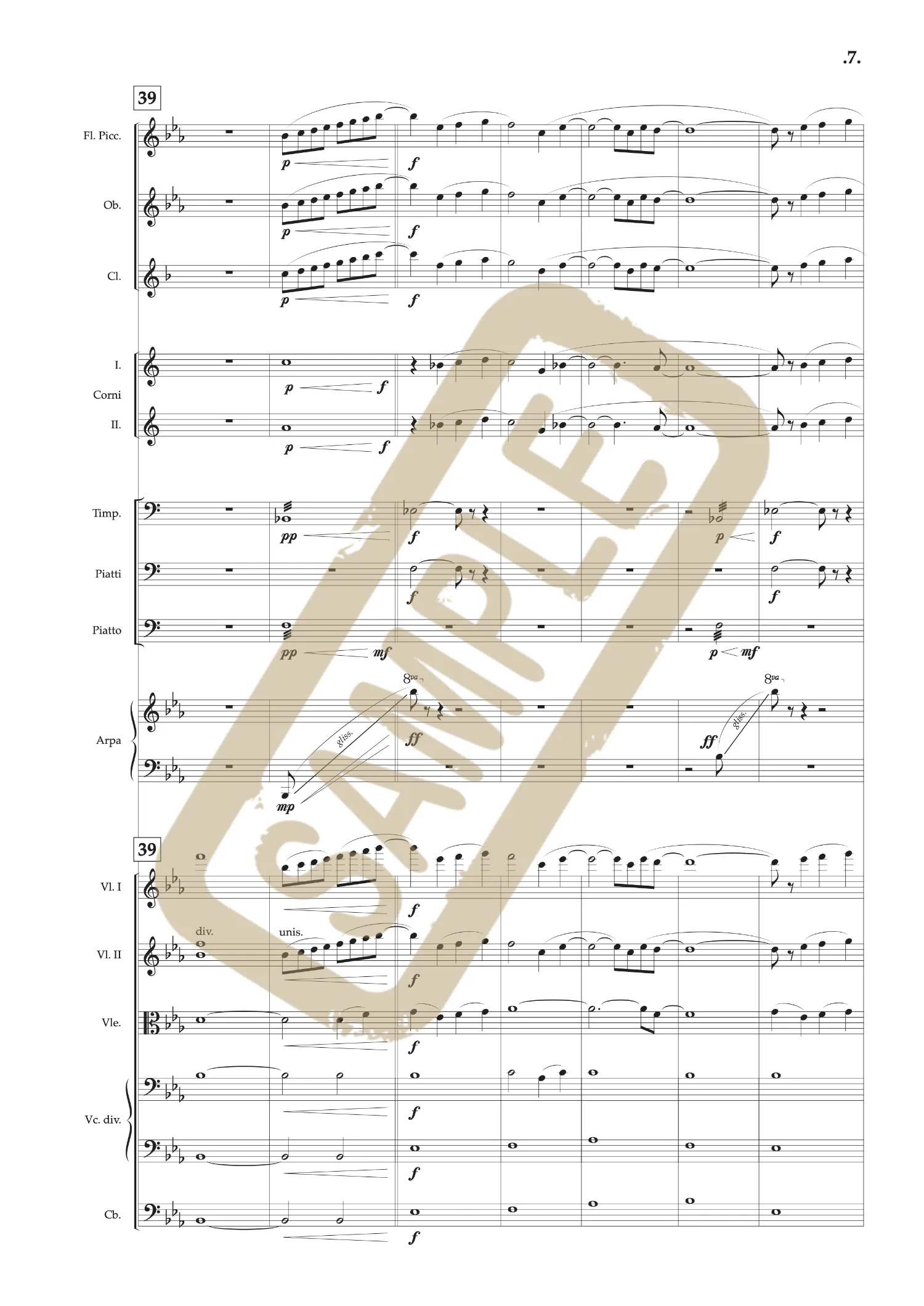
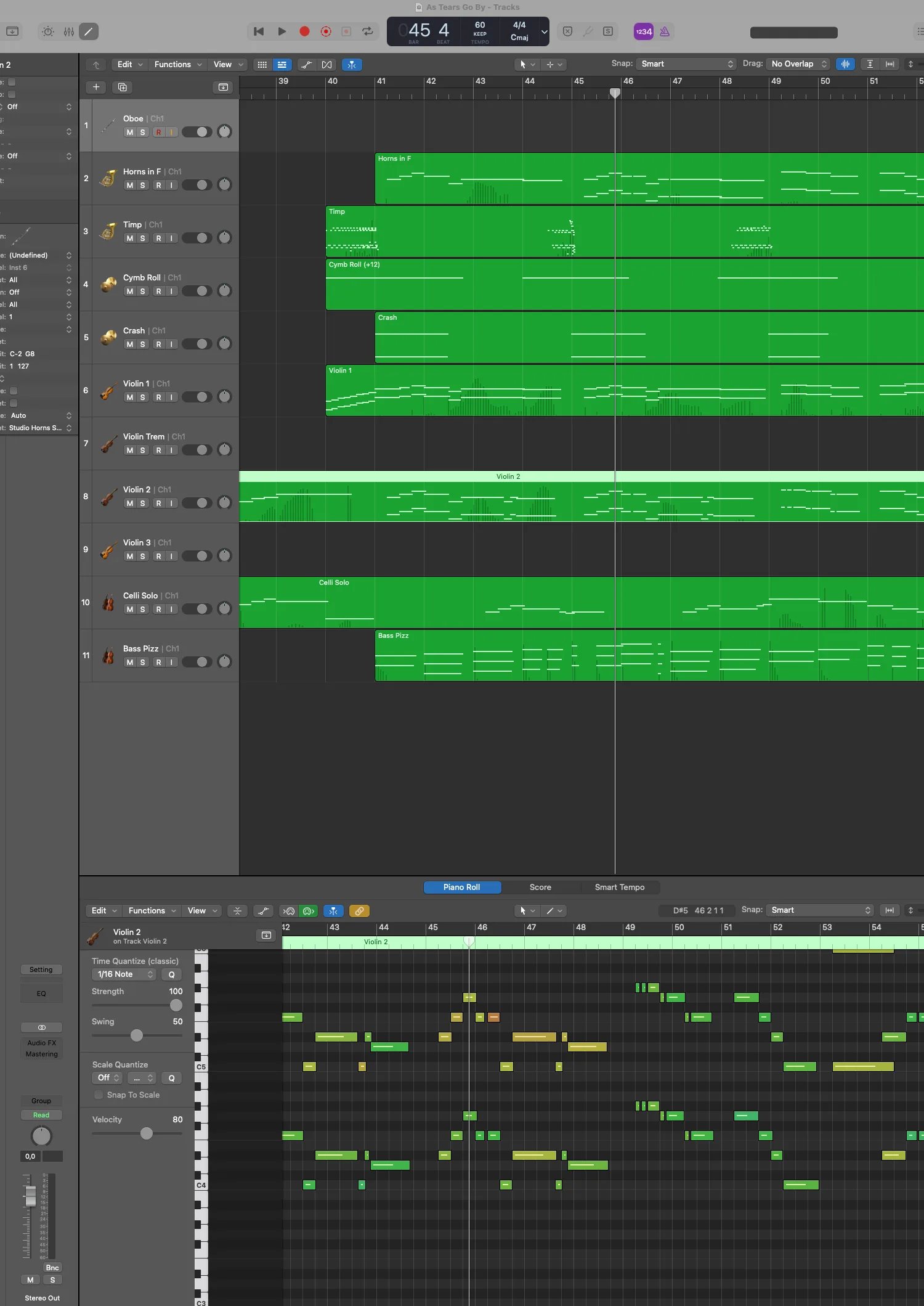
Engraved full orchestral score page of As Tears Go By MIDI production of As Tears Go By open in a digital audio workstation Engraved Score DAW Project
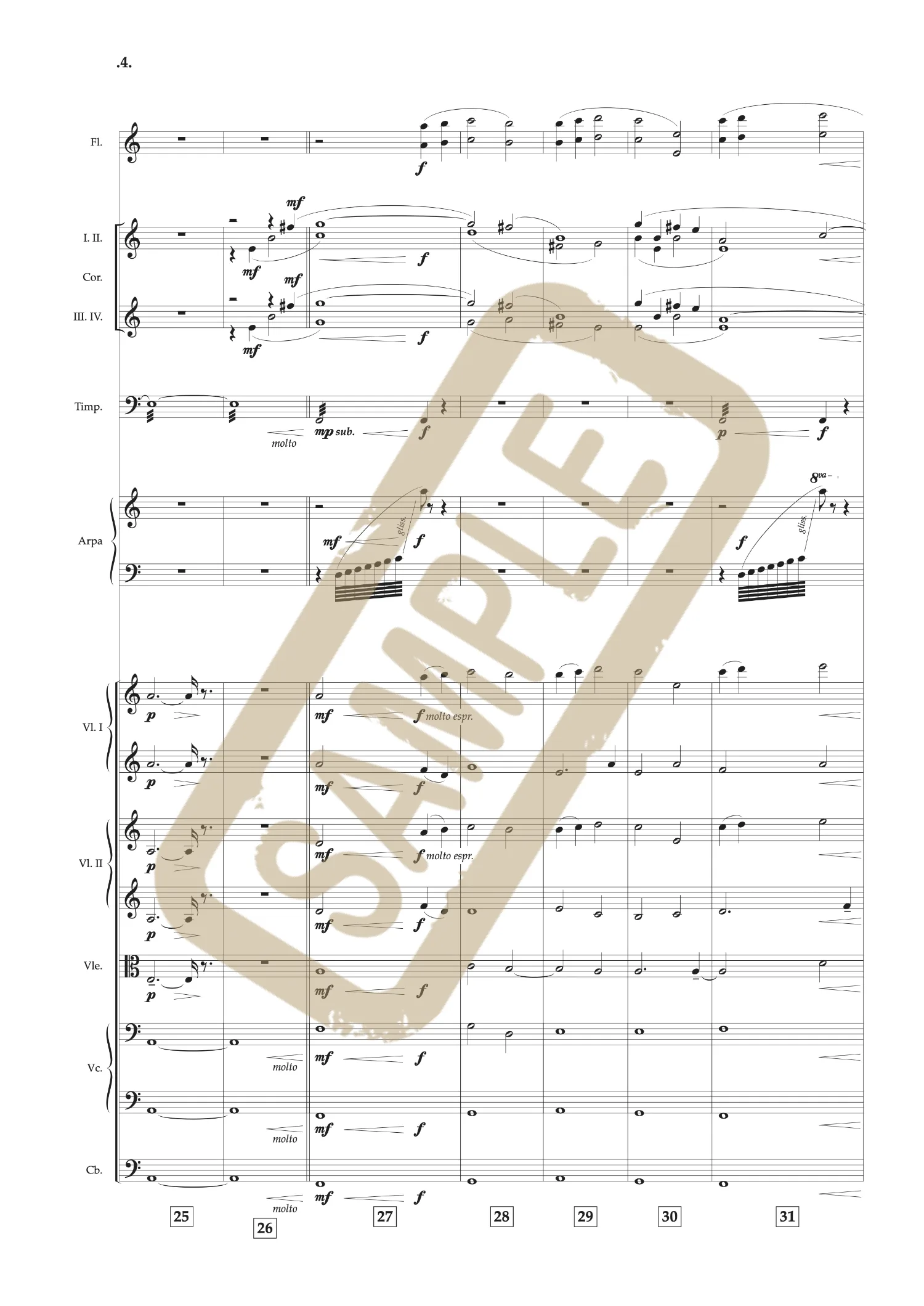
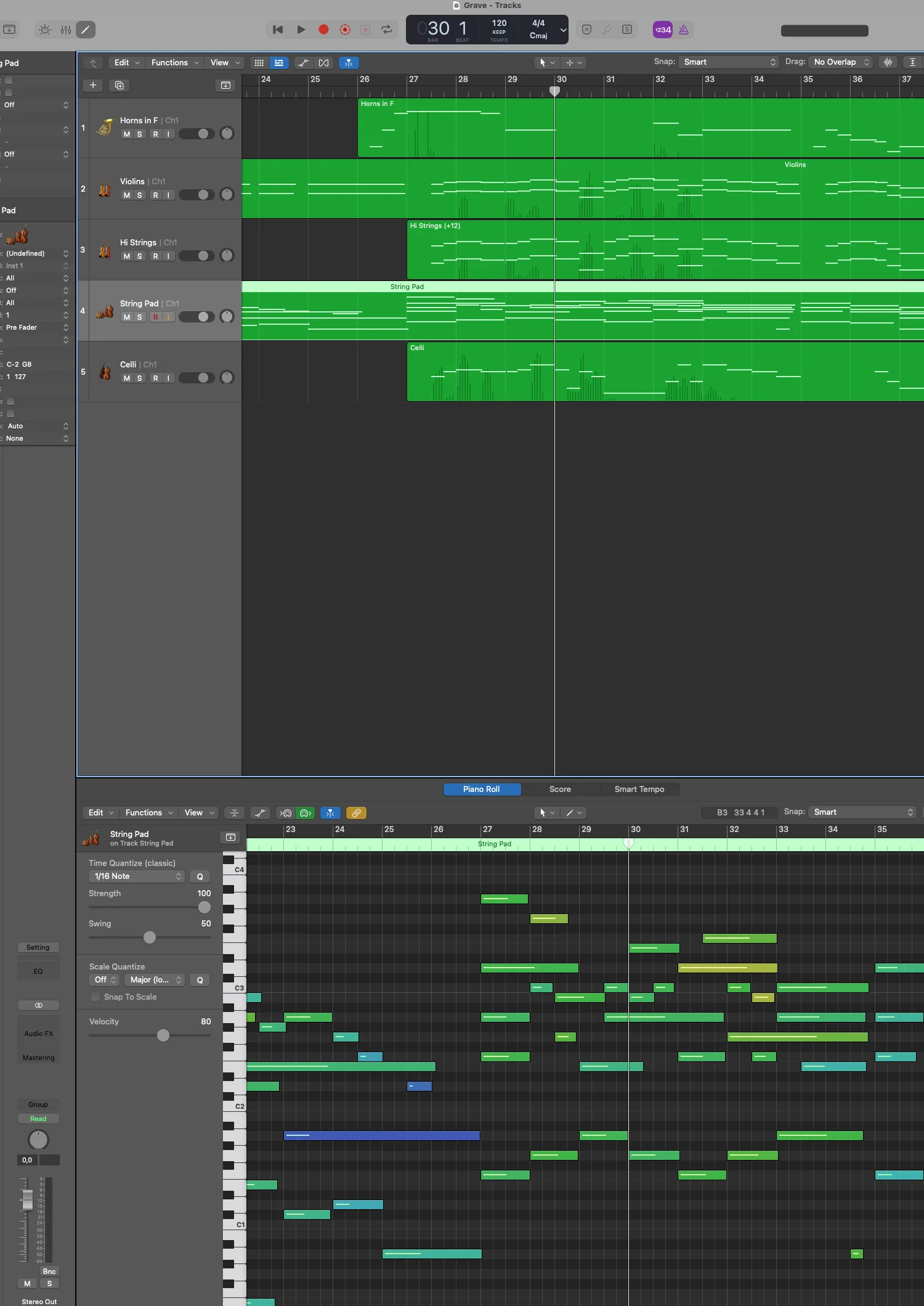
Grave

Grave by composer and concert pianist Stefanos Korkolis, written for the television series Tearful Moons (Δακρυσμένα Φεγγάρια). This dramatic cue is scored for 2 Fl., 4 Hn., Timp., Hp., and Strings. Performed by the Sofia Amadeus Orchestra.
0:00 / --:--
Engraved full orchestral score page of Grave MIDI production of Grave open in a digital audio workstation Engraved Score DAW Project
I Have a Love for You

I Have a Love for You (Έχω Μια Αγάπη Για Σένα), written by Solonas Apostolakis and Tasos Vougiatzis, from the Haris Alexiou album To the Edge of Your Sky (Ως Την Άκρη Του Ουρανού Σου), scored for string ensemble.
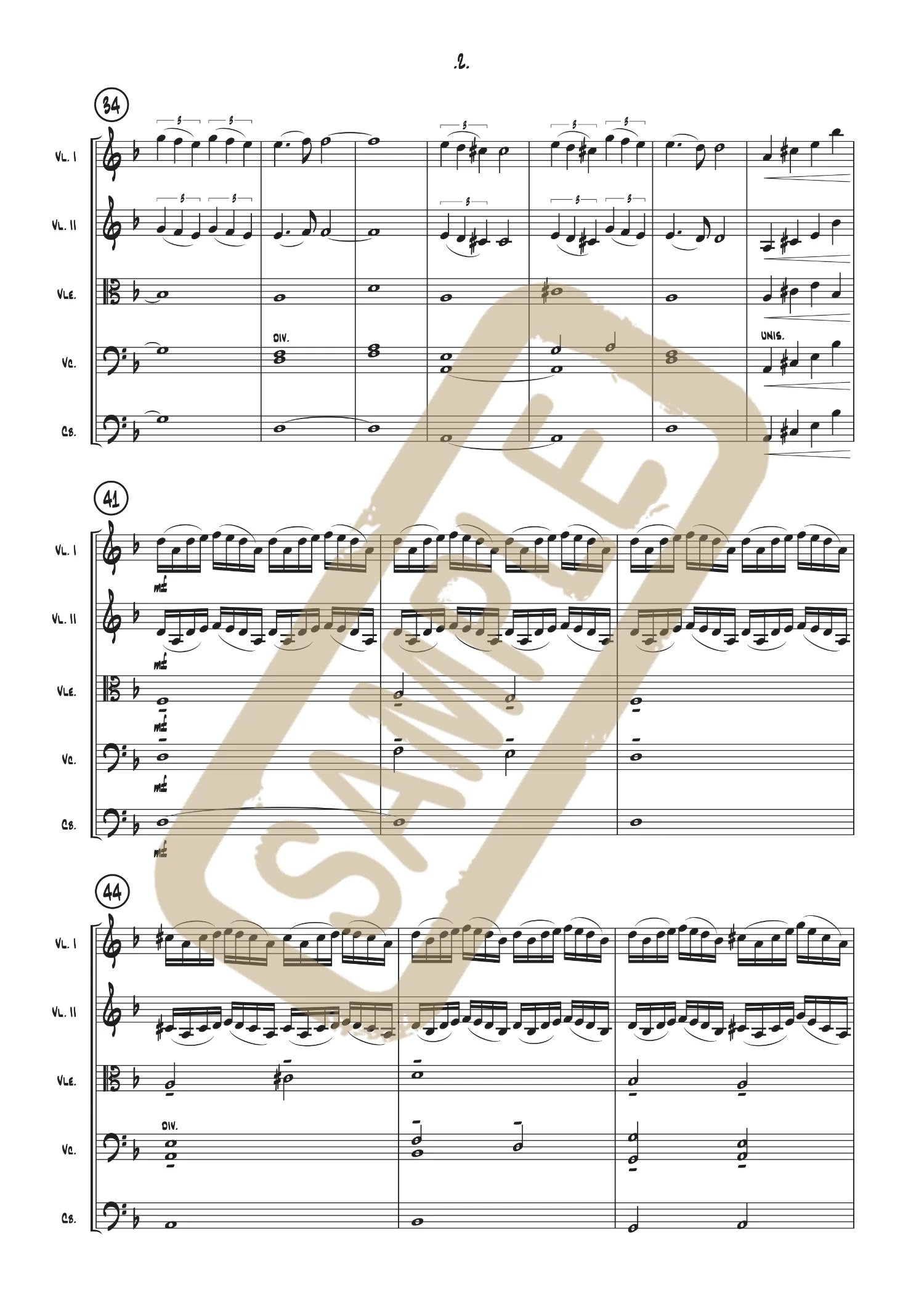
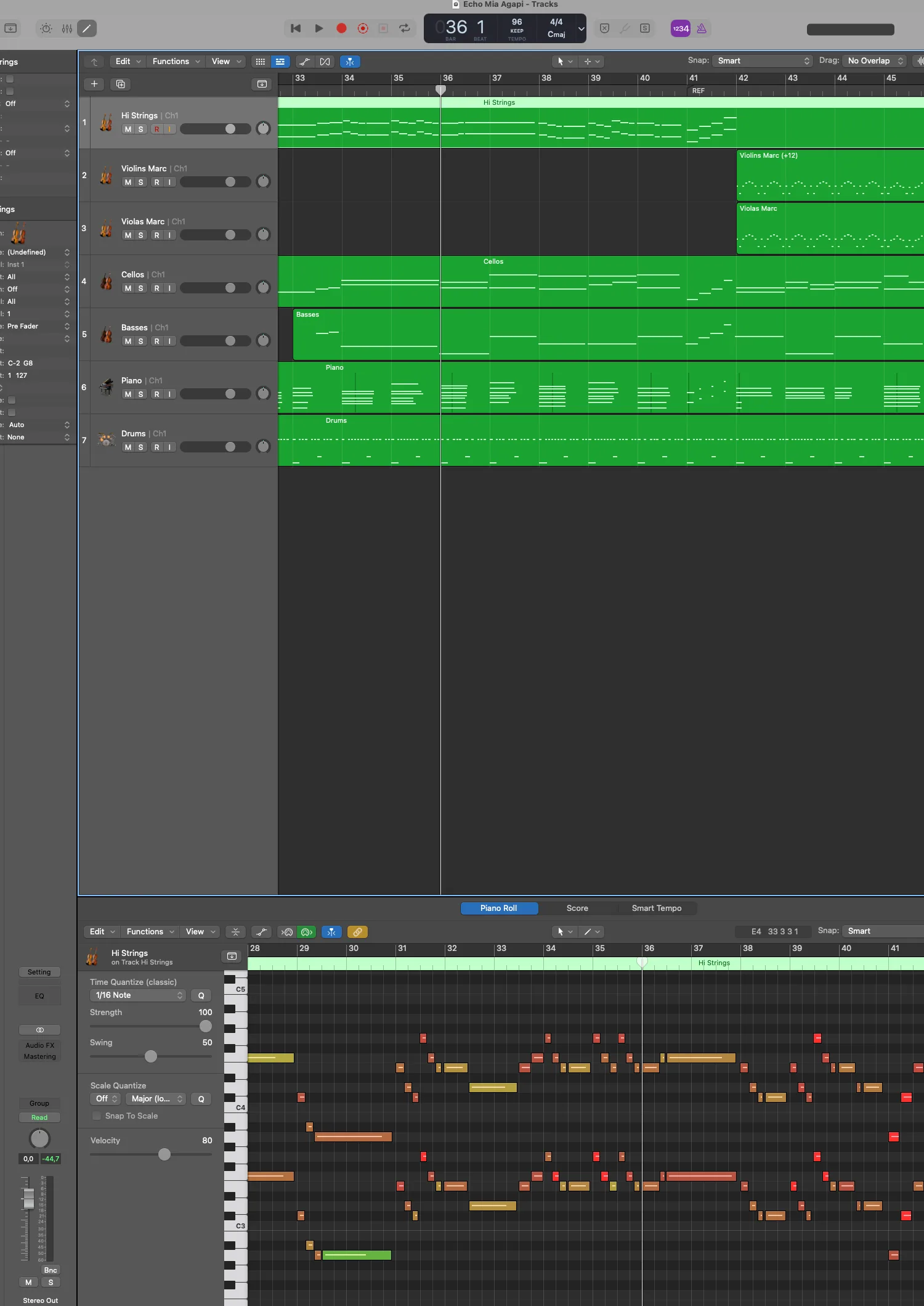
Engraved string score page of I Have a Love for You MIDI production of I Have a Love for You open in a digital audio workstation Engraved Score DAW Project
Who It’s For

Every mockup is different.
Every score is written for the ensemble that has to play it.

Film, TV & Game Composers

We transform your DAW mockup into a session-ready orchestral score and parts, with composer-level judgment applied to idiomatic writing, acoustic balance, articulations, and dynamics.

Classical & Concert Composers

Have a sequenced sketch notated as a full score and parts, with your orchestration decisions written into the page.

Ensembles, Choirs & Orchestras

Rehearse from clean parts built out of a MIDI arrangement, with transpositions, cues, and rehearsal letters already handled.

Educators & Institutions

Turn MIDI coursework, compositions, and teaching material into clean, readable scores for study, submission, and performance.

Sacred Music

Convert MIDI orchestrations and backing tracks into chord charts, piano-vocal scores, or full parts your musicians can read week to week.

The Process

Four Steps: The ScoreMasters® Brief System

01.

Send Your Files

Share your material in any format (audio, MIDI, PDF, or handwritten sketches) and tell us about your project. Our form walks you through everything we need.

02.

Get Your Quote

Within 12 hours, Samy personally reviews your material and replies with a transparent quote: scope, deliverables, format, timeline, revision policy, and final price (in USD, EUR, or GBP).

03.

Approve, Then We Craft

Once you approve and place your order, work begins. On larger projects, you'll see a draft at the midpoint, with the chance to course-correct before final delivery. Two rounds of revisions are always included.

04.

Receive Final Files

Your completed score arrives with a free audio mockup and in every format you requested: PDF, MIDI, MusicXML, and editable Dorico, Sibelius, or Finale files. Ready to rehearse, record, publish, or perform.

Pricing & Deliverables

What it costs, and what you receive.

MIDI to Score

The two figures below cover our most-requested conversions; ScoreMasters® has transformed MIDI to score since 1998. More on fees, rush delivery, revisions, copyright, discounts, and payments is on the Pricing page.

From $49€43£37 per min · 2–3 business days

  • MIDI piano to score$49€43£37 per min · 2–3 business days
  • MIDI orchestra to score$99€85£74 per min · 2–7 business days

A composer working in a DAW at a piano keyboard.

What’s included

  • Print-ready PDF score and parts
  • A standard audio mockup
  • Industry-level conversion to notation
  • Detailed markings with tempo and metronome marks
  • Film-scoring elements where needed
  • The editable project files if you hold the copyright

What affects the fee

  • The instruments involved
  • The number of MIDI tracks
  • The duration of the piece
  • Quantization and file organization
  • The complexity and density
  • The requested deadline
Common Questions

What clients ask before commissioning a MIDI conversion.

Yes, and the difference is whether new music gets written. MIDI to Score translates what you already produced: your notes, your harmony, your form, notated as a score and parts a live ensemble can read, with the doublings, divisi, ranges, and articulations resolved for real players. Orchestration goes further. It writes material that is not in your session, whether that means a countermelody, a new inner line, or scoring a piano sketch for an ensemble that does not exist yet. In practice the two often run together: while scoring a mockup we will point out where a passage would genuinely benefit from additional orchestration, and that work goes in only with your approval.

We ask for one of two things: a complete DAW session, typically Logic Pro or Cubase, including the audio stems and a stereo reference mix, or a MIDI export delivered together with the audio stems and that same stereo reference mix. Either way, the reference mix has to match your session exactly. If we hear something in the mix that does not appear in the MIDI, we stop and ask, because a muted region or an outdated bounce is far cheaper to resolve now than during a session. Part 2 of our guide From Mockup to Manuscript explains how to export and package these files.

You receive print-ready scores and parts and a complimentary audio mockup. Editable project files (MIDI, MusicXML, and the native notation file) are included when you hold the copyright to the source material. If you do not hold the copyright, we can agree separately, for an additional fee, to deliver the editable project files you need.

The fee depends on the instruments involved, the number of MIDI tracks, the duration of the piece, how the session is quantized and organized, the density and complexity of the writing, and the requested deadline. A well-prepared session costs less time and money than a raw one, which is why we encourage composers to clean their own MIDI before sending it. Our guide From Mockup to Manuscript explains how to do it.

Yes. Our standard delivery includes an audio mockup at no charge, so you can quickly check the score before the recording or rehearsal session.

Yes, on request. MIDI cleanup means quantizing note attacks and releases, removing legato overlaps, stripping controller data and keyswitches, deleting mockup-only doubling layers, naming tracks descriptively, and putting the session into score order. Done properly, it lets the project’s time go into the score itself rather than into the data. We recommend that composers handle it themselves where they can, since you know your own material best and it saves both time and budget. Our guide From Mockup to Manuscript walks through each of these steps in detail. If you would rather not, we do the cleanup as part of the project.

No. Not the melody, not the harmony, not the form, not the emotional shape. Revoicing to fit the lineup you have booked is part of the job. Redistributing a line so it is physically playable is part of the job. Adjusting a dynamic so the balance works in a real hall is part of the job. Adding new material is not, and it happens only if you ask for it, under our orchestration service.

No. Where the writing calls for it we simplify an awkward meter or approach a sudden tempo change a few bars earlier, so the players can move into it together instead of lurching. These are notational decisions made specifically to keep everything locked to the cut while giving the ensemble something they can execute on the first take.

Yes. Lyrics are typeset under each vocal part. We handle most major languages in-house, including Arabic, English, French, German, Greek, Hebrew, Portuguese, and Spanish. If your language is not one we cover in-house, we find and supervise a professional typesetter for it.

Yes. We prepare piano reductions for rehearsal, study, and publication, created once the score is finalized and approved. Our reductions preserve the essential harmonies and voice leading, the melodies and countermelodies, and the rhythms, dynamics, articulations, and markings a rehearsal pianist depends on.

The usual turnaround is 2–3 business days. The exact timeline depends on the instruments involved, the number of MIDI tracks, the duration of the piece, whether the MIDI cleanup is already done or still needed, and overall complexity.

Yes. Accuracy is guaranteed, and every project includes two rounds of revisions at no extra cost, covering normal adjustments of interpretation and taste as well as any genuine error measured against your source material and the agreed scope.

Send us the session or the MIDI export with your stems and reference mix, tell us the ensemble and the deadline, and we will come back with a fixed quote and a delivery date. If a recording session is already booked, get in touch before it rather than after: the earlier the conversation happens, the more of your budget ends up in the music.

Related Services

Services that pair with MIDI to Score.